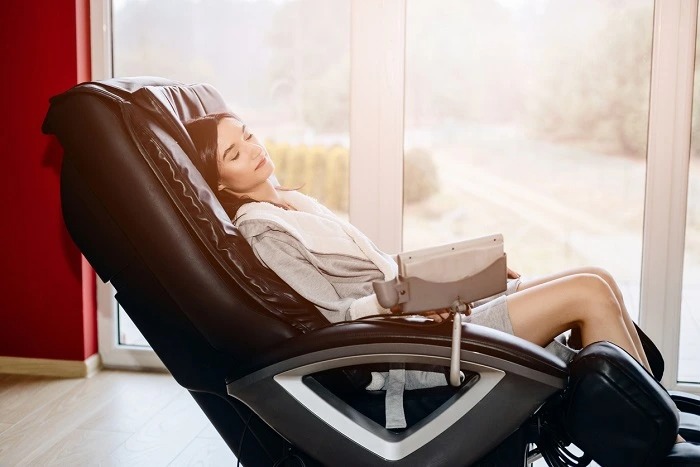
In today’s fast-paced world, many individuals find themselves overwhelmed by the demands of busy workweeks. The constant pressure to meet deadlines, manage responsibilities, and maintain productivity can lead to significant stress and physical tension. As a result, people are increasingly seeking effective ways to unwind and alleviate the burdens of daily life. One solution that has gained popularity is the use of massage chairs. But do massage chairs really help with stress from busy workweeks?
Massage chairs are designed to mimic the techniques used by professional masseuses, offering various types of massages such as kneading, tapping, rolling, and shiatsu. These devices aim to relax muscles, improve circulation, and promote overall well-being through mechanical movements targeted at key areas like the back, neck, shoulders, and legs. For individuals who experience muscle stiffness or soreness after long hours at a desk or on their feet all day, massage chairs provide a convenient way to relieve physical discomfort without needing an appointment or leaving home.
From a physiological standpoint, massage therapy has been shown to reduce levels of cortisol-the hormone associated with stress-while increasing serotonin and dopamine production which contribute to feelings of relaxation and happiness. Although massage chairs cannot replicate every nuance of human touch perfectly, they do offer consistent pressure that can stimulate these beneficial effects in the body. Regular use may help lower blood pressure and reduce heart rate variability linked with chronic stress.
Beyond physical benefits, there is also a psychological advantage in using massage chairs during hectic weeks. Taking even 15-20 minutes for oneself in a quiet space while enjoying a soothing massage session encourages mindfulness-a mental state focused on present-moment awareness-which helps break cycles of anxiety related to work pressures. This pause allows users not only to rest their bodies but also reset mentally before returning to tasks.
However, it is important to note that while massage chairs can be helpful as part of an overall self-care routine for managing work-related stress, they should not be viewed as cure-alls. Stress management often requires multiple approaches including proper time management skills; regular exercise; adequate sleep; healthy nutrition; social support; and sometimes professional counseling when needed.
In conclusion, massage chairs do offer tangible benefits for relieving some aspects of stress caused by demanding work schedules by addressing both muscular tension and promoting relaxation responses within the body. They serve as convenient tools that complement other lifestyle practices aimed at maintaining mental health amid busy lives. Incorporating regular sessions with a quality massage chair reviews can therefore be an effective strategy for those seeking relief from workplace strain while fostering greater well-being throughout their week.